

The hidden psychological effects of gambling on decision-making processes
The Allure of Gambling and Its Psychological Grip
The psychological allure of gambling is rooted deeply in the thrill and excitement it evokes. This draw often stems from the way gambling taps into our brain’s reward system. When individuals place bets, their brains release dopamine, a neurotransmitter associated with pleasure. This biochemical reaction can create a powerful craving for more, making it difficult for players to resist the urge to gamble again. Notably, the historical evolution of gambling practices has shaped modern experiences and can lead to compulsive behavior and problematic gambling patterns, significantly influencing decision-making processes. For an engaging gaming experience, you can visit mafiacasinoscz.com today.
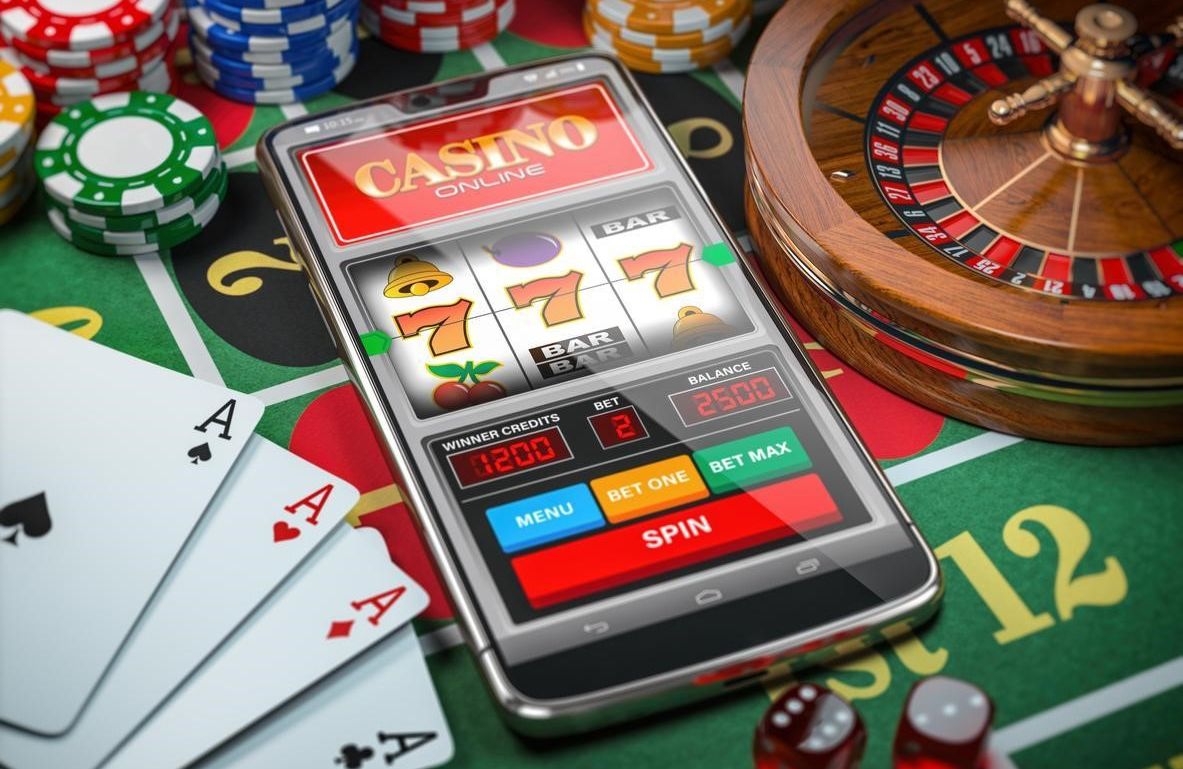
Furthermore, the environment in which gambling occurs plays a crucial role in enhancing this psychological effect. The flashing lights, sounds of machines, and the overall ambiance of casinos are designed to stimulate excitement and engagement. These sensory elements can cloud judgment and alter rational decision-making. Players may find themselves making riskier bets than they otherwise would, driven by the euphoric sensations of potential wins. This immersive experience often leads to a distorted perception of odds, impacting the choices gamblers make.
As gambling becomes a more frequent behavior, it can begin to alter an individual’s decision-making framework. The initial excitement may morph into a compulsive cycle, where the desire to gamble overshadows logical reasoning. This change can lead to poor financial decisions, as individuals may prioritize gambling over essential needs, demonstrating how gambling profoundly impacts both immediate and long-term choices.
Cognitive Biases and Misjudgments in Gambling
Cognitive biases significantly influence how individuals approach gambling, often leading them to make irrational decisions. One common bias is the illusion of control, where gamblers believe they can influence outcomes despite the inherent randomness of games. For example, a player may think their skills can sway a game of chance, leading them to make riskier bets based on this false sense of control. This cognitive distortion can create a cycle of loss, where the player continues to gamble in hopes of regaining control.
Another prevalent bias is the gambler’s fallacy, which occurs when individuals believe that past outcomes affect future results. For instance, if a slot machine hasn’t paid out in a while, a gambler might think it is “due” for a win, leading them to invest more money. This fallacy is rooted in faulty reasoning, demonstrating how psychological effects can skew perceptions and decisions. Such biases undermine logical thinking and can have serious financial consequences.
Moreover, these biases do not exist in isolation; they often interplay with emotional factors, further complicating decision-making. When faced with losses, gamblers may experience heightened emotions, which can cloud their judgment and lead to rash decisions. This combination of cognitive biases and emotional responses creates a potent mix that can drastically alter an individual’s approach to gambling, resulting in increasingly erratic and risky behavior over time.
The Role of Social Influences in Gambling Decisions
Social factors significantly shape gambling behavior and decision-making processes. The presence of peers can amplify the excitement of gambling, creating a sense of community that encourages riskier behavior. This social reinforcement often normalizes gambling and can lead to heightened participation rates among individuals who may not have engaged otherwise. For instance, individuals may feel pressured to conform to the group’s gambling habits, compromising their own judgment and increasing their risk exposure.
Additionally, social environments in casinos, such as the camaraderie experienced at gaming tables, can create an atmosphere where individuals feel emboldened to make bolder decisions. This sense of belonging can overshadow personal reservations, prompting participants to take greater risks than they might when gambling alone. As a result, the social context becomes a pivotal factor in shaping not just participation but the nature of the decisions made.
Moreover, the influence of social media and advertising cannot be underestimated. Promotions often highlight the excitement and thrill of gambling experiences, portraying them as opportunities for social interaction and fun. This marketing strategy can skew perception and entice individuals to overlook the potential dangers, leading to poor decision-making. The psychological effects of social influences illustrate the complexity of gambling behaviors, making it clear that decisions are rarely made in a vacuum.
The Long-Term Psychological Consequences of Gambling
The long-term psychological effects of gambling can be profound and multifaceted. Chronic gambling can lead to a range of mental health issues, including anxiety, depression, and social isolation. As individuals become more entrenched in their gambling habits, they may neglect relationships and responsibilities, leading to a cycle of emotional distress. This deterioration of social support networks can exacerbate feelings of loneliness and despair, further impacting their decision-making capabilities.
Additionally, the financial strain from gambling can lead to significant stress, triggering a cascade of negative psychological outcomes. When individuals face mounting debts, their ability to make rational choices diminishes. The constant worry about financial instability can shift focus away from important life decisions, resulting in impulsive choices that may further worsen their situation. This creates a feedback loop that entraps gamblers in a downward spiral.
Ultimately, the psychological toll of gambling extends beyond the individual, affecting families and communities. Loved ones may bear the brunt of the emotional and financial fallout, leading to strained relationships and a breakdown of familial trust. The interconnectedness of these consequences highlights the importance of recognizing gambling not just as a personal issue, but as a social concern that affects broader decision-making processes within families and communities.

Exploring Responsible Gaming with Mafia Casino
As the digital landscape of gambling evolves, platforms like Mafia Casino are emerging to provide innovative gaming experiences while prioritizing responsible play. Recognizing the psychological effects associated with gambling, such sites are designed to promote a balanced approach to gaming. They often feature resources and tools aimed at helping players maintain control over their gambling habits, ensuring a safer environment for enjoyment.
Mafia Casino, for instance, offers features that allow players to set limits on their gaming activities, helping mitigate potential psychological risks. These tools are crucial in fostering a culture of responsible gaming, empowering individuals to make informed decisions. By integrating such functionalities, the platform aims to enhance the overall gambling experience while minimizing the adverse psychological impacts.
Ultimately, understanding the hidden psychological effects of gambling is essential for promoting healthier decision-making. As gaming platforms evolve, it is crucial to prioritize player well-being and create environments that encourage safe gambling practices. By doing so, platforms like Mafia Casino not only enrich the gaming experience but also contribute positively to the broader conversation around responsible gambling.
Comente Aqui.